

Socialising your puppy: what does it mean and how is it done?
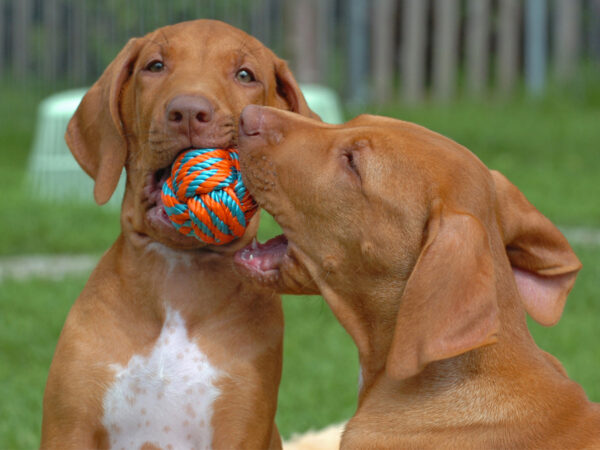
A properly socialised pup is comfortable around and used to other dogs, noises, situations and people it may encounter throughout its day. Proper socialisation prevents anxious or aggressive behaviour. This is why it is very important to socialise your pup. Here’s how to socialise your puppy.
Why is socialisation necessary?
There are two distinct stages. The first socialisation stage teaches a puppy how to behave around other dogs as well as other animals, humans and stimuli it may encounter throughout its day. This is an important stage that takes roughly from the third till the ninth week. A frequent problem is that pups from puppy mills and traders have been socialised very poorly or not at all, which can have dire consequences both for the owner and the dog. Proper socialisation can prevent behavioural problems, such as anxiety and aggression, at an older age.
How to socialise your puppy?
Socialisation begins in the nest. The most optimal situation is when a nest of pups is raised in a home. This is something to look for when choosing a pup. When a nest grows up in a home, the pups get used to each other as well as children, visitors and the noises of a home such as the vacuum cleaner and the doorbell.
Once you’ve brought your pup home, it is important to keep working on the socialisation process. Several recommendations:
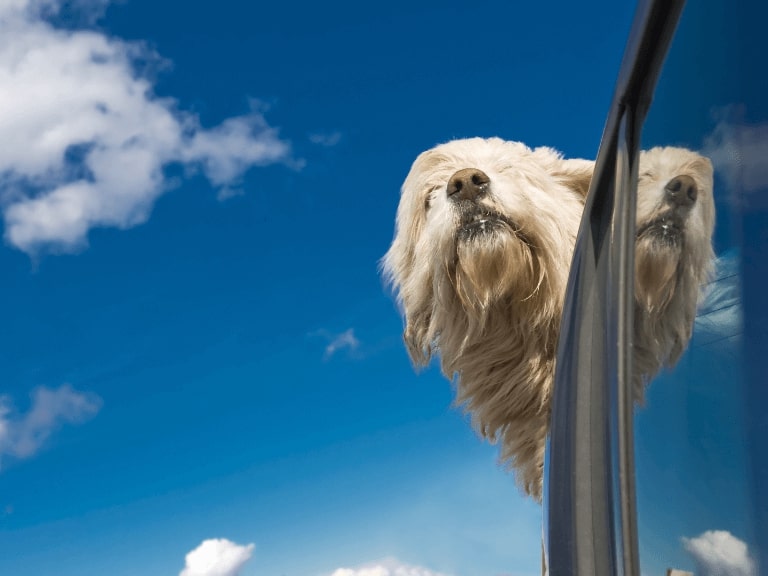
- Take your dog out for a bus, train or car ride as well as into town and to the market on a regular basis.
- Allow your dog to get to know and play with other dogs. Puppy training is also a good opportunity to do this.
- When walking your dog, allow it to explore and look at other animals such as horses, cows and ducks.
- Allow other people to pet your dog, but make sure you remain in control of who is allowed to and for how long.
- Keep your composure, respond calmly to loud, unexpected sounds and comfort your pup if needed.
How long does socialisation take?
Socialisation begins almost immediately after birth and is completed when the pup is around six months old. The first stage takes 3 to 12 weeks, followed by the second stage which is all about getting your pup over its fear of the world. Teach it that the things it has been confronted with before, aren’t dangerous this time round either.


Together against plastic pollution: Yarrah x Plastic Soup Foundation
Our world

One multipack for your pet. One for a pet in need.
Our world

New healthy dog snacks: what’s the difference between pure snacks and regular snacks?
Food | Dog
